What Does Mold Smell Like? Finding the Musty Smell
Why mold smells musty, what the EPA says a moldy odor means, where hidden mold usually is, and how to remove the smell for good instead of covering it.
Find the source of a musty smellA method for mold on each type of wall, how to tell surface mold from growth inside the drywall, why paint over mold peels, and when the job belongs to a remediation specialist.
 Consultor SEO WendersonSEO consultant and editor of the CleanLocalPros guides10 min readReviewed by the CleanLocalPros editorial team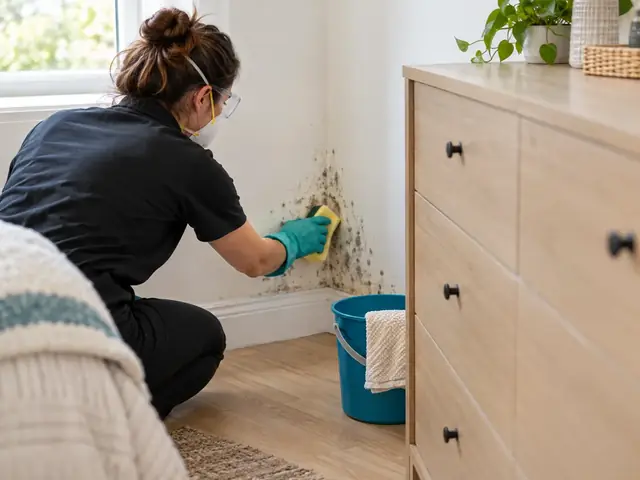
On a painted, washable wall, scrub small patches of mold with detergent and water and dry the wall completely; on tile, a diluted bleach solution is optional. Mold that comes back on drywall is usually growing in the paper facing or behind it, which cleaning cannot reach. The EPA says not to paint over mold and puts the do-it-yourself limit at about 10 square feet.
Clean small patches on washable surfaces; treat mold that returns on drywall as a problem inside the wall.
Mold on a wall is two different problems depending on the material. On tile or a glossy painted surface, it is growth on the surface that you can scrub off. On drywall, the gypsum core is covered in paper, which is porous: mold can grow into it and behind it, and cleaning only reaches the front.
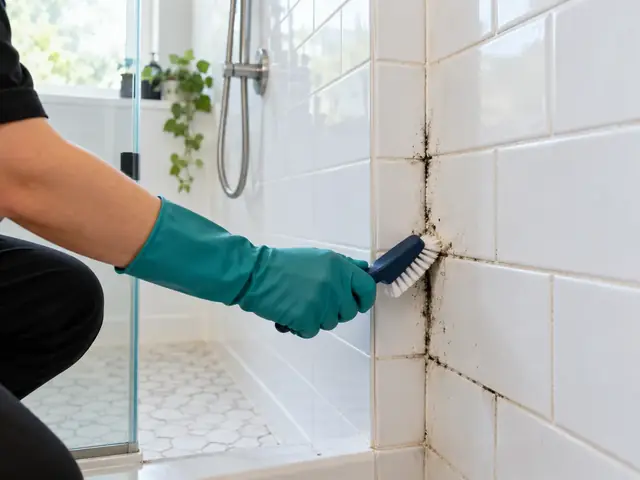
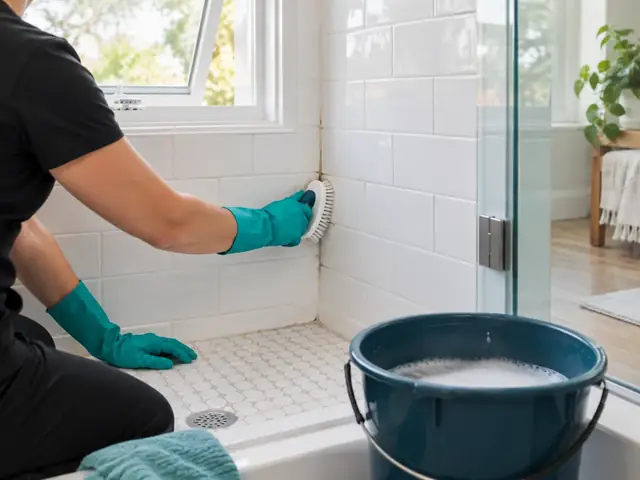
This guide takes each wall type in turn. For bathroom and kitchen detail work on washable surfaces, professional deep cleaning services handle the scrubbing; growth inside walls is remediation.
Surface mold wipes off and stays off; mold inside the wall comes back, stains through or smells musty.
Answer these in order
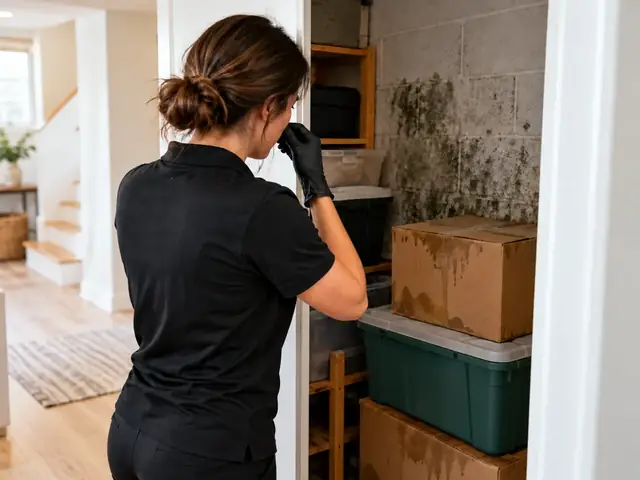
The EPA lists "the back side of dry wall, wallpaper, or paneling" among the places mold hides, and says "you may suspect hidden mold if a building smells moldy, but you cannot see the source." More on that is in what does mold smell like.
Hard, sealed surfaces clean well; porous ones often need replacing.
| Wall type | Can you clean it? | Method |
|---|---|---|
| Ceramic or porcelain tile | Yes | Detergent and water; a bleach solution is optional; rinse and dry |
| Glossy or semi-gloss paint | Small surface patches | Detergent and water with a soft sponge; dry completely |
| Flat or matte paint on drywall | Limited | Gentle wiping only; stains that return mean growth in the drywall |
| Wood paneling, sealed | Surface patches | Damp wipe with detergent, dry quickly; no soaking |
| Unfinished wood | Limited | Mold can grow into wood; deep growth needs a professional |
| Wallpaper | Rarely | Mold often grows behind it; the EPA lists the back of wallpaper as a hiding place |
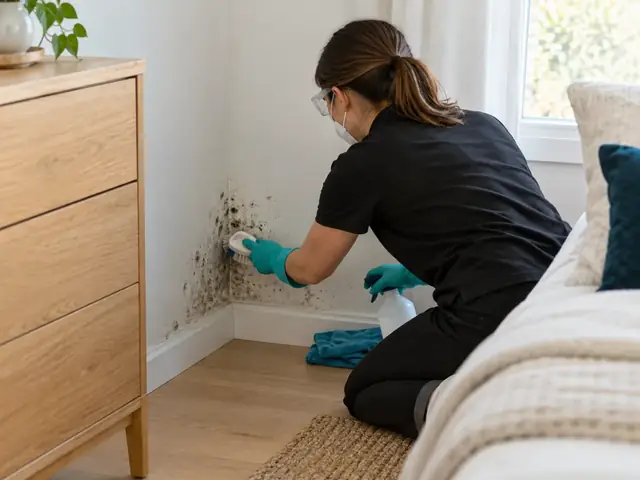
Protect yourself, wipe gently with detergent and water, dry the wall and watch for the stain returning.
The options for stubborn spots on tile are in does bleach kill mold and does vinegar kill mold.
Get matched with a local deep cleaning pro who serves your ZIP code. Free to request, no obligation.
The EPA says not to paint or caulk moldy surfaces: the paint peels and the growth stays.
Do not paint or caulk moldy surfaces.
The same guide explains why: "Paint applied over moldy surfaces is likely to peel." Paint marketed for damp rooms can be used on clean, dry walls once the moisture problem is solved, but it is not a way to cover existing growth.
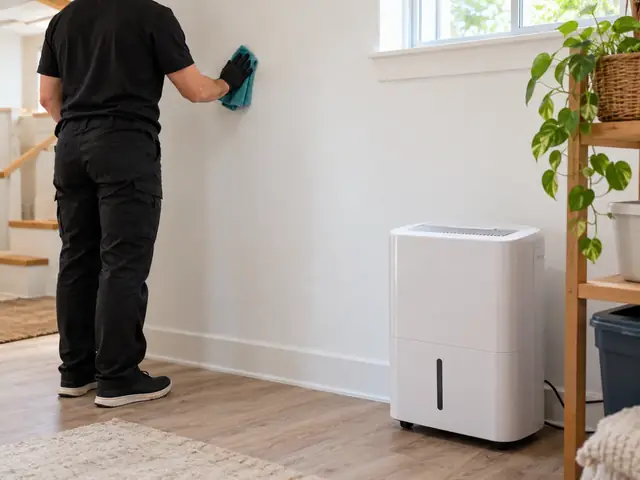
Stop condensation and leaks, move air along exterior walls and keep humidity low.
Regular visits catch moisture, grime and buildup early. Set up a weekly, biweekly or monthly plan with a local pro.
Call a remediation specialist for areas over about 10 square feet, stains that return on drywall, or walls damaged by leaks.
The EPA puts roughly 10 square feet as the limit for cleaning mold yourself, and notes that porous materials may have to be thrown away once moldy. Returning stains, soft or bubbled drywall and musty walls after a leak are remediation and repair. A cleaning pro handles washable surfaces such as tile and glossy paint in kitchens and bathrooms.
A local deep cleaning pro brings the right products, protection and time for the whole area, and tells you when a specialist is needed.
On a small patch, wipe gently with detergent and water using a soft sponge, wipe with clean water and dry the wall completely. If the stain returns within a week or two, the growth is in the drywall, not on the paint.
No. The EPA says not to paint or caulk moldy surfaces and warns that paint applied over moldy surfaces is likely to peel. Remove the mold, fix the moisture and let the wall dry first.
Not always, but often. Drywall is porous, and the EPA notes that porous materials may have to be thrown away once they are moldy. Surface spots that wipe off and stay off are fine; stains that return mean growth inside the drywall.
On tile and washable paint, the EPA method is detergent and water, then drying completely. A bleach solution is optional on hard surfaces like tile, never mixed with other cleaners.
Because moisture keeps reaching them: condensation on exterior walls, leaks, or high indoor humidity. Keep humidity no higher than 50%, move furniture away from exterior walls and fix leaks.
When the area is larger than about 10 square feet, when stains return on drywall, when the wall is soft or bubbled, or when there is a musty smell with no visible source.
Mold on tile and washable paint is a cleaning job: detergent and water, then drying. Mold that returns on drywall is growing inside the wall, which cleaning and paint cannot fix. Keep walls dry, never paint over mold, and bring in a professional for large or returning growth.
Get My Deep Cleaning QuoteAbout the author
Consultor SEO WendersonSEO consultant and editor of the CleanLocalPros guides
Consultor SEO Wenderson writes the CleanLocalPros house cleaning guides from search data, official sources and the questions homeowners send us, and the editorial team reviews every guide before it is published. We do not accept payment for recommendations. More about the author · Our editorial standards.
Scope and pricing vary by pro, state and city. This guide explains common practice; confirm the details with the pro you hire.
Keep reading
Why mold smells musty, what the EPA says a moldy odor means, where hidden mold usually is, and how to remove the smell for good instead of covering it.
Find the source of a musty smellA spot-by-spot method for dark mold on shower grout, caulk, tile and ceilings, what "black mold" actually means, when caulk has to be replaced and the habits that keep the shower clear.
Remove black mold spot by spotWhat chlorine bleach does to mold, the dilution the CDC gives, why the EPA does not recommend it as a routine step, where bleach damages surfaces and when mold needs a professional.
See when bleach works on moldSend one free request and get matched with a local deep cleaning pro who serves your ZIP code.