Mold vs. Mildew: How to Tell the Difference at Home
Mildew is the everyday word for mold that grows flat on a surface. How to tell it from mold growing into a material, why color does not tell you much, and how to clean each.
Tell mold from mildewWhy mold smells musty, what the EPA says a moldy odor means, where hidden mold usually is, and how to remove the smell for good instead of covering it.
 Consultor SEO WendersonSEO consultant and editor of the CleanLocalPros guides9 min readReviewed by the CleanLocalPros editorial team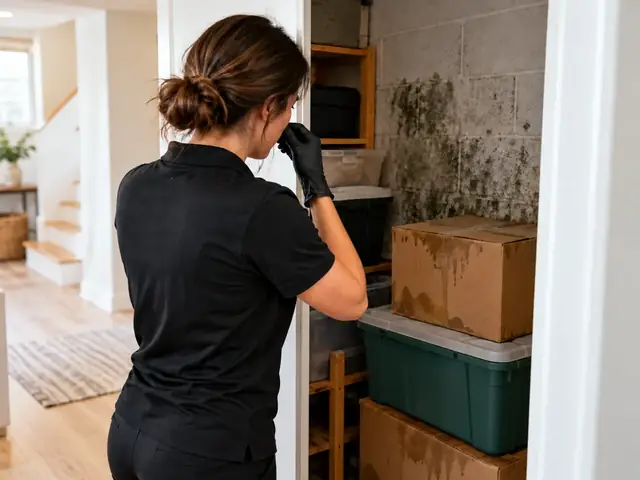
Mold usually smells musty. The smell comes from compounds some molds release into the air, called microbial volatile organic compounds (mVOCs). The EPA says a moldy odor suggests mold is growing and should be investigated, even when you cannot see it. The smell goes away only when the mold is removed and the moisture that feeds it is fixed.
Mold usually smells musty: stale, damp and earthy, the smell of a closed basement or a towel that never dried.
That smell has a cause. Some compounds that molds produce are volatile, so they escape into the air, and many of them have a strong, unpleasant odor.
Because mVOCs often have strong or unpleasant odors, they can be the source of the 'moldy odor' or musty smell frequently associated with mold growth. A moldy odor suggests that mold is growing in the building and should be investigated.
If you can see the growth, the source is easy. When you cannot, the smell is the clue. For routine bathroom buildup, professional deep cleaning services keep grout, caulk and fixtures from turning musty; mold inside walls or floors needs a remediation specialist.
Growing mold releases microbial volatile organic compounds (mVOCs), which carry the musty smell.
Mold needs moisture and food to grow, and the EPA calls moisture "the most important factor influencing mold growth indoors." Active growth on damp organic material, such as the paper facing of drywall, wood, cloth or carpet backing, is what releases mVOCs. That is why a musty smell tends to get stronger in humid weather or after a leak, when growth is active.
Terms used in this guide
Mildew and mold smell alike because mildew is mold; a few other household smells are easy to confuse with them.
| Smell | Where it usually comes from | What to do |
|---|---|---|
| Musty, stale, earthy | Mold or mildew growing on damp material | Find and remove the growth, fix the moisture |
| Sour, damp laundry | Towels or clothes that stayed wet | Rewash and dry fully; check the washer seal |
| Rotten egg or sewer | Drains, a dry floor drain trap or sewer gas | Run water in unused drains; call a plumber if it persists |
| Stale, closed-in | A room without airflow | Ventilate; if it stays musty, look for mold |
Mildew is mold growing flat on a surface, so its smell is the same kind of musty odor; the difference between the two is covered in mold vs. mildew.
Hidden mold is common behind drywall, wallpaper, paneling, above ceiling tiles and under carpet and pads.
Mold may be hidden in places such as the back side of dry wall, wallpaper, or paneling, the top side of ceiling tiles, the underside of carpets and pads, etc.
The EPA adds: "You may suspect hidden mold if a building smells moldy, but you cannot see the source."
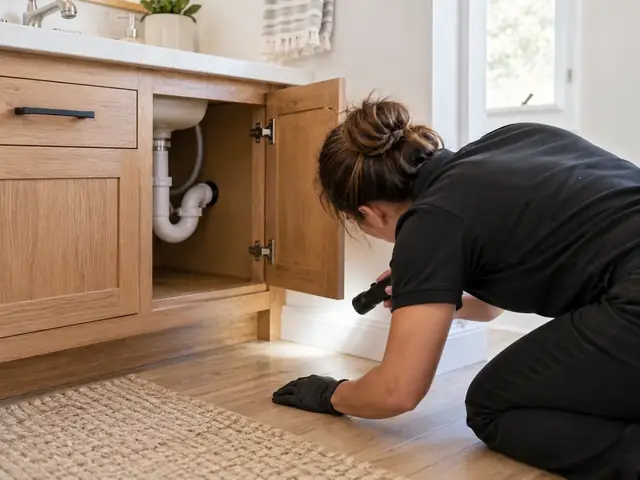
Search the places water reaches and air does not move, starting where the smell is strongest.
Get matched with a local deep cleaning pro who serves your ZIP code. Free to request, no obligation.
The smell is a warning sign; the health concern is the mold itself, which can trigger allergies and asthma.
The EPA notes that inhaling or touching mold or mold spores "may cause allergic reactions in sensitive individuals," and that molds can also cause asthma attacks in people with asthma who are allergic to mold. If a musty smell comes with symptoms such as sneezing, a runny nose or red eyes, talk to a doctor and deal with the source rather than the smell.
Remove the growth, fix the moisture and dry the area; fragrance only hides the problem.
The EPA gives a simple test of a finished cleanup: "Visible mold and moldy odors should not be present." If the smell returns, the source is still there.
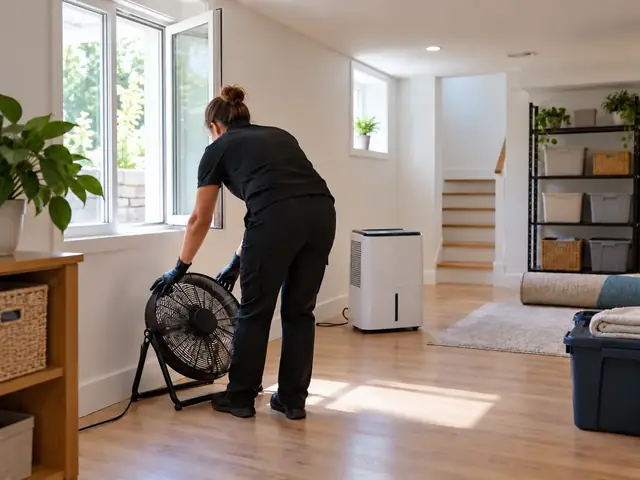
Regular visits catch moisture, grime and buildup early. Set up a weekly, biweekly or monthly plan with a local pro.
Call a remediation specialist when the smell has no visible source, after water damage, or when growth is larger than about 10 square feet.
A musty smell you cannot trace, a recent leak or flood, or mold covering more than about 10 square feet are signs of a remediation job. A cleaning pro can keep bathrooms, grout and fixtures from turning musty, and will tell you when a smell points to something inside a wall.
A local deep cleaning pro brings the right products, protection and time for the whole area, and tells you when a specialist is needed.
Mold usually smells musty: stale, damp and earthy. The EPA explains that the smell comes from microbial volatile organic compounds (mVOCs), gases some molds release into the air.
Yes. The EPA says you may suspect hidden mold if a building smells moldy but you cannot see the source. Common hiding places are the back of drywall, wallpaper or paneling, the top of ceiling tiles and the underside of carpet and pads.
Not always: wet laundry, a dry drain trap or a closed-up room can smell stale too. But the EPA says a moldy odor suggests mold is growing and should be investigated, so look for a moisture source before assuming it is harmless.
The smell is a sign; the concern is the mold. The EPA notes that mold can cause allergic reactions in sensitive people and asthma attacks in people with asthma who are allergic to mold. Talk to a doctor if you have symptoms.
Find and remove the growth, replace moldy porous materials, fix the moisture and dry the area within 24 to 48 hours. Air fresheners only cover the smell; the EPA says moldy odors should not be present after a proper cleanup.
Mildew is mold growing flat on a surface, so it has the same kind of musty smell, often noticed in bathrooms, closets and damp towels.
A musty smell is how mold announces itself: it comes from gases growing mold releases, and the EPA treats a moldy odor as a reason to investigate. Follow the smell to the moisture, remove the growth, dry the area and keep humidity low. Fragrance hides the problem; removing the source ends it.
Get My Deep Cleaning QuoteAbout the author
Consultor SEO WendersonSEO consultant and editor of the CleanLocalPros guides
Consultor SEO Wenderson writes the CleanLocalPros house cleaning guides from search data, official sources and the questions homeowners send us, and the editorial team reviews every guide before it is published. We do not accept payment for recommendations. More about the author · Our editorial standards.
Scope and pricing vary by pro, state and city. This guide explains common practice; confirm the details with the pro you hire.
Keep reading
Mildew is the everyday word for mold that grows flat on a surface. How to tell it from mold growing into a material, why color does not tell you much, and how to clean each.
Tell mold from mildewWhat chlorine bleach does to mold, the dilution the CDC gives, why the EPA does not recommend it as a routine step, where bleach damages surfaces and when mold needs a professional.
See when bleach works on moldAn evidence-based answer: what vinegar does to mold, the lab result most guides leave out, a safe step-by-step method, the surfaces vinegar damages and when mold is a job for a pro.
See what vinegar kills and what it missesSend one free request and get matched with a local deep cleaning pro who serves your ZIP code.