Mold vs. Mildew: How to Tell the Difference and Clean Each One
Mildew is the everyday word for mold that grows flat on a surface. How to tell it from mold growing into a material, why color does not tell you much, and how to clean each.
Mildew is the common name for mold that grows flat on a surface, often as a white, gray or light film in damp bathrooms and on fabrics. Mold is the broader group of fungi, and it can grow into porous materials like drywall and wood. Surface mildew on hard surfaces cleans off with detergent and water; mold growing into a material may need that material replaced.
Key takeaways
Mildew is mold: the word usually describes flat, surface growth, often white or gray.
What matters is where it grows, not the name: on the surface of tile, or into drywall, wood and carpet.
Color does not identify the mold: the EPA says "black mold" is not a species.
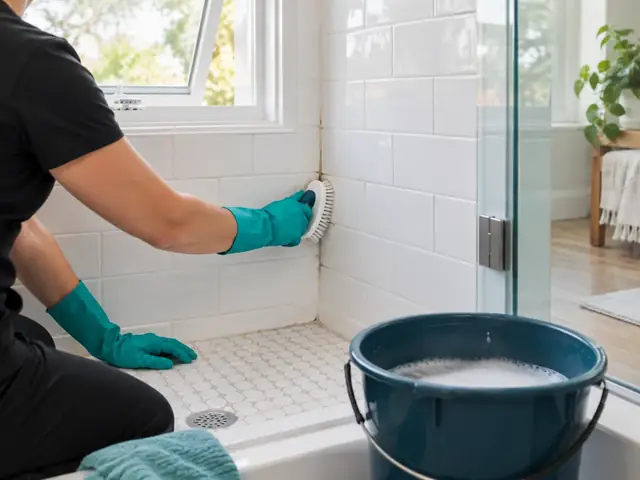
Hard surfaces: scrub with detergent and water and dry completely, the EPA method.
Both come from moisture; keep humidity no higher than 50%, as the CDC advises.
Mold vs. mildew: the short answer
Mildew is not a different organism from mold; it is the everyday word for mold growing flat on a surface.
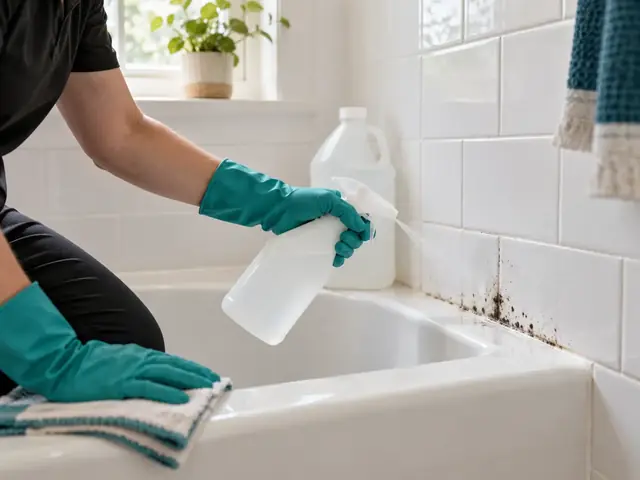
In homes, "mildew" usually means the thin white, gray or light growth on shower caulk, grout, window sills or damp fabric. "Mold" is the broader term for the fungi that grow indoors wherever moisture, a food source and still air meet, including growth that works its way into drywall, wood and carpet.
The term mildew is often used generically to refer to mould growth, usually with a flat growth habit.
The practical difference is not the name, it is where the growth is. Surface mildew on a hard surface is routine cleaning, the kind professional deep cleaning services handle in a bathroom. Mold growing inside a porous material is a different problem.
Side by side: how mildew and mold usually differ
Mildew tends to be flat and on the surface; mold is the wider group and can grow into materials.
Mildew (as the word is used at home)
Mold (the broader group)
What it is
Mold with a flat growth habit
Fungi that grow indoors with moisture and food
Typical look
White, gray or light, powdery or flat film
Any color, flat, fuzzy or slimy
Where you see it
Shower caulk and grout, window sills, damp fabric
Any damp organic material: paper, wood, cloth, drywall
Depth
On the surface
On the surface or inside porous materials
Hard-surface cleanup
Detergent and water, then dry
Same on hard surfaces; porous materials may need replacing
The EPA lists the materials mold can feed on: "Mold can grow on virtually any organic substance," including paper, cloth, wood, plant material and soil. That is why the same growth that wipes off glazed tile can become a real problem on the paper facing of drywall.
Black mold or mildew? What color tells you
Color does not identify the species or the risk: the EPA says "black mold" is not a type of mold.
A dark spot on grout is not automatically more dangerous than a gray one, and a white patch is not automatically harmless.
'Black mold' is not a species or specific kind of mold, and neither is 'toxic mold.'
Only a lab can identify species. For cleaning decisions, the useful questions are how big the area is, what material it is on and whether it keeps coming back.
Two looks, one cleaning question: is the growth on the surface of a hard material, or inside a porous one?
How to tell at home which one you are dealing with
Check the material, wipe a small spot and watch whether it comes back.
01Look at the material. Tile, glass, sealed tubs and metal are hard; drywall, ceiling tiles, carpet, unfinished wood and fabric are porous.
02Wipe a small spot with detergent and water. Surface mildew on a hard material comes off with scrubbing.
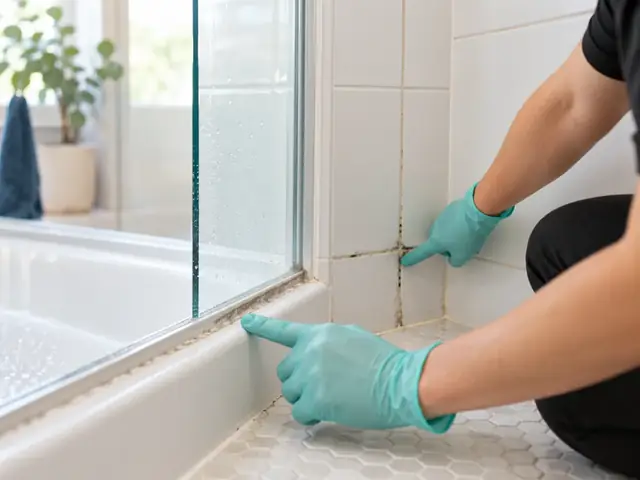
03Look for stains that stay. Spots under silicone caulk or stains that remain on drywall after cleaning point to growth inside the material.
04Follow the smell. A musty smell with little visible growth can mean hidden mold, covered in our guide on what mold smells like.
05Check it again in a few days. Growth that returns in the same place means moisture is still feeding it.
Is mildew less harmful than mold?
Treat both the same way: the EPA says mold can cause allergic reactions and asthma attacks in sensitive people.
Because mildew is mold, the same health guidance applies. The EPA notes that "inhaling or touching mold or mold spores may cause allergic reactions in sensitive individuals," with hay-fever-type symptoms such as sneezing, runny nose, red eyes and skin rash, and that molds "can also cause asthma attacks in people with asthma who are allergic to mold." Anyone with asthma, allergies or a weakened immune system should talk to a doctor and let someone else clean.
Rather have a pro handle it?
Get matched with a local deep cleaning pro who serves your ZIP code. Free to request, no obligation.
Scrub hard surfaces with detergent and water and dry them; replace porous materials that are moldy.
Hard surfaces: tile, glass, tubs
Scrub with detergent and water, rinse and dry completely, the EPA method. A bleach solution is optional on hard surfaces; the dilution and the limits are in does bleach kill mold, and the evidence on the milder option is in does vinegar kill mold.
Fabrics and shower curtains
Wash washable items according to the care label and dry them fully before putting them back.
Porous materials
The EPA says absorbent or porous materials, such as ceiling tiles and carpet, "may have to be thrown away if they become moldy."
How to keep both from coming back
Dry surfaces fast and keep humidity low; that stops mildew and mold alike.
Run the bathroom fan during and after showers, and squeegee glass and tile.
Dry water-damaged areas and items within 24 to 48 hours, as the EPA advises.
Keep indoor humidity no higher than 50%, per the CDC.
Keep soap scum from building up on grout and caulk with regular bathroom cleaning.
The fan and the squeegee do more to prevent mildew than any cleaner: growth needs moisture that stays.
Keep it from coming back
Regular visits catch moisture, grime and buildup early. Set up a weekly, biweekly or monthly plan with a local pro.
Call a remediation specialist for large areas, porous materials or growth that keeps returning.
The EPA puts the do-it-yourself limit at roughly 10 square feet, a patch about 3 feet by 3 feet. Beyond that, or when mold is inside drywall, carpet or ceiling tiles, the job is remediation, which is a different trade from cleaning. For routine mildew on tile, grout and glass, a deep clean is the right service.
When the job is bigger than a spray bottle
A local deep cleaning pro brings the right products, protection and time for the whole area, and tells you when a specialist is needed.
Mildew is mold. The word is usually used for mold that grows flat on a surface, often white or gray, as in damp bathrooms and on fabric. Mold is the broader group of fungi, which can also grow into porous materials.
How can you tell mold from mildew?
Look at where it grows. Flat growth on the surface of a hard material that comes off with detergent and water is what people usually call mildew. Stains that stay, or growth inside drywall, wood or under caulk, is mold growing into the material.
Is black mold worse than mildew?
The EPA says "black mold" is not a species or a specific kind of mold, so color alone does not tell you the risk. Size, material and whether it returns are what decide how to handle it.
Can mildew make you sick?
Mildew is mold, and the EPA notes that mold can cause allergic reactions in sensitive people and asthma attacks in people with asthma who are allergic to mold. Talk to a doctor if you have symptoms.
What kills mildew in the shower?
On tile, glass and tubs, scrub with detergent and water and dry the surface completely, the EPA method. A diluted bleach solution is optional on hard surfaces. Growth under the surface of silicone caulk needs the caulk replaced.
How do you prevent mildew?
Keep surfaces dry: run the bathroom fan, squeegee the shower, fix leaks and keep indoor humidity no higher than 50%, as the CDC advises.
The bottom line
Mildew is the everyday name for mold that grows flat on a surface. The name matters less than where the growth is: scrub surface growth off hard materials and dry them, replace porous materials that are moldy, and fix the moisture so neither comes back.
SEO consultant and editor of the CleanLocalPros guides
Consultor SEO Wenderson writes the CleanLocalPros house cleaning guides from search data, official sources and the questions homeowners send us, and the editorial team reviews every guide before it is published. We do not accept payment for recommendations. More about the author · Our editorial standards.
Scope and pricing vary by pro, state and city. This guide explains common practice; confirm the details with the pro you hire.
What chlorine bleach does to mold, the dilution the CDC gives, why the EPA does not recommend it as a routine step, where bleach damages surfaces and when mold needs a professional.
An evidence-based answer: what vinegar does to mold, the lab result most guides leave out, a safe step-by-step method, the surfaces vinegar damages and when mold is a job for a pro.