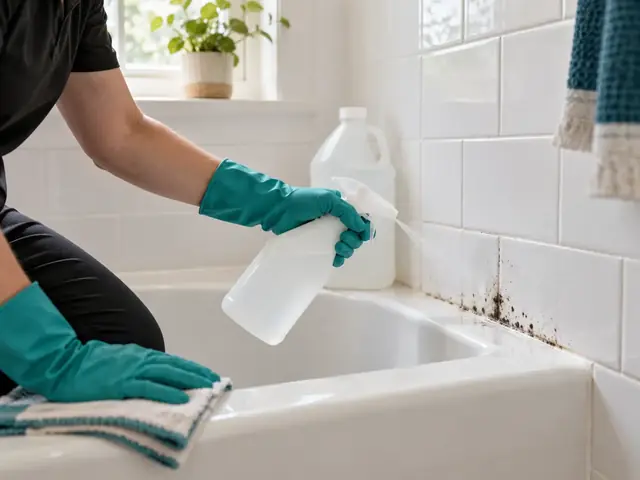
Clean grout starting with the gentlest method: warm water and a stiff nylon brush, then a paste of baking soda and water, then a dedicated grout cleaner or an oxygen-based cleaner for stains. Rinse well, dry the area and seal cement grout once clean. Avoid acids on natural stone and harsh bleach on colored grout.
Key takeaways
Start gentle, move to stronger methods only if needed.
Use a stiff nylon brush, never metal.
Avoid acids on stone and bleach on colored grout.
Seal clean cement grout to keep it clean longer.
Why grout gets dirty
Most grout is cement-based and porous, so it absorbs dirt, soap and moisture.
In showers, soap residue and minerals build up; on floors, dirt and spills soak in. Over time, grout darkens, and in damp areas, mildew can grow on the surface. Regular cleaning and sealing slow this down.
Methods, from gentle to strong
Start with the gentlest method that works and move to stronger products only if the grout still looks dirty.
Method
Best for
Notes
Warm water and a stiff nylon brush
Light dirt
Start here; scrub along the grout line
Baking soda paste
Everyday grime
Apply, wait a few minutes, scrub, rinse
Mild dish soap solution
Greasy kitchen grout
Rinse well to avoid residue
Oxygen-based cleaner
Stains and discoloration
Follow the label; good for many colored grouts
Dedicated grout cleaner
Heavy buildup
Choose one safe for your tile and grout
Steam cleaner
Floors and showers
Check tile and grout manufacturer guidance
Step by step
Clean grout section by section: loosen dirt, test the product, let it dwell, scrub along the line, rinse and dry.
01Sweep or vacuum loose dirt from floor grout.
02Test your chosen method on a small, hidden area.
03Apply the cleaner to a small section.
04Let it sit for the time on the label.
05Scrub along the grout line with a stiff nylon brush.
06Rinse with clean water and wipe dry.
07Repeat on stubborn areas before trying a stronger method.
Rather have a pro handle it?
Request a quote from a local deep cleaning pro who serves your ZIP code. Free to request, no obligation.
Most grout damage comes from the wrong tools, the wrong product for the surface or mixing chemicals.
Metal brushes or scrapers, which scratch grout and tile
Acidic cleaners such as vinegar on natural stone tile
Bleach on colored grout, which can discolor it
Mixing cleaning products, especially bleach with ammonia or acids
Leaving cleaners on longer than the label says
Mildew on grout
Surface mildew is common in showers; persistent mold is a different problem.
Clean surface mildew with a product labeled for it and improve ventilation. If mold keeps returning, spreads beyond the grout or is behind tiles, the cause may be moisture, and the EPA recommends addressing the moisture problem. Large or recurring mold problems need a specialist.
Seal grout to keep it clean
Sealing makes cement grout less absorbent.
Once grout is clean and fully dry, apply a penetrating grout sealer following the product directions. Many homeowners reseal periodically in showers and high-traffic floors. Epoxy grout usually does not need sealing.
Sealing clean, dry grout makes it absorb less dirt and water, so it stays clean longer between deep cleans.
When to call a pro
When grout is heavily stained across large areas, or when time is short.
Grout scrubbing is one of the most time-consuming parts of a deep cleaning. If grout is cracked or crumbling, that is a repair job for a tile professional, not a cleaning job. See how to remove hard-water stains for the shower glass and fixtures next to it.
Maintenance schedule
Clean grout stays clean with light weekly care, a monthly scrub and resealing when needed.
Frequency
Task
Weekly
Wipe or mop tile; rinse shower walls
Monthly
Scrub grout lines with a nylon brush
As needed
Treat stains and surface mildew
Periodically
Reseal cement grout
FAQ
What is the best way to clean grout?
Start with warm water and a nylon brush, then baking soda paste, then an oxygen-based or dedicated grout cleaner.
Can I use vinegar on grout?
Avoid vinegar on natural stone tile; it can etch the stone.
Should I seal grout after cleaning?
Yes, for cement grout, once clean and fully dry.
Can bleach damage grout?
It can discolor colored grout. Use products labeled safe for your grout.
When should I call a pro for grout?
For heavy staining over large areas, or when grout needs repair.
SEO consultant and editor of the CleanLocalPros guides
Consultor SEO Wenderson writes the CleanLocalPros house cleaning guides from search data, official sources and the questions homeowners send us, and the editorial team reviews every guide before it is published. We do not accept payment for recommendations. More about the author · Our editorial standards.
Scope and pricing vary by pro, state and city. This guide explains common practice; confirm the details with the pro you hire.
An evidence-based answer: what vinegar does to mold, the lab result most guides leave out, a safe step-by-step method, the surfaces vinegar damages and when mold is a job for a pro.