How to Get Rid of Drywall Dust After a Renovation
Why drywall dust spreads so easily, the order that removes it for good, and the mistakes that turn it into a paste or send it back into the air.
Clean up drywall dust the right wayMost construction dust is a nuisance, but some is a real hazard. Here is how to tell the difference and what that means for cleanup.
 Consultor SEO WendersonSEO consultant and editor of the CleanLocalPros guides9 min readReviewed by the CleanLocalPros editorial team
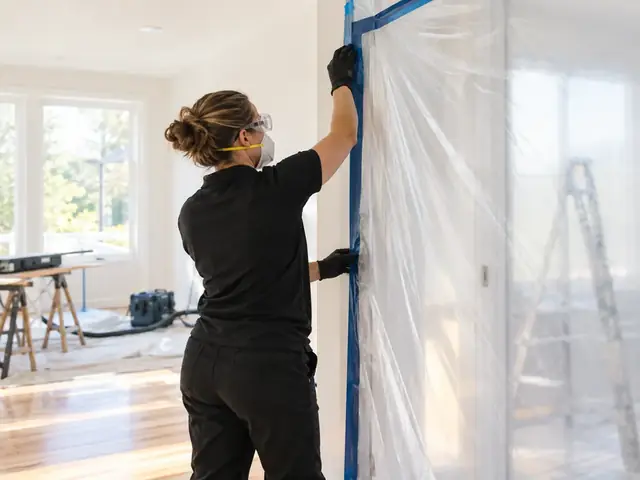
Some construction dust can be harmful. Crystalline silica from cutting concrete, stone and tile is a known health hazard for workers, lead can be present in paint in homes built before 1978, and asbestos may exist in some older materials. Ordinary drywall and sawdust are mainly irritants. Regular cleaners handle ordinary dust with HEPA vacuums; hazardous materials require certified specialists.
Construction dust varies by material, and some types, such as silica, are a real health concern that needs the right controls.
| Dust type | Where it comes from | Concern | Who should clean it |
|---|---|---|---|
| Drywall dust | Sanding joint compound | Irritant to eyes and lungs | Cleaners with HEPA vacuums |
| Sawdust | Cutting wood | Irritant; some wood dusts are sensitizers | Cleaners with HEPA vacuums |
| Crystalline silica | Cutting concrete, stone, brick, tile | Known lung hazard, regulated for workers | Controlled by contractors during work; cleanup with HEPA, not dry sweeping |
| Lead dust | Disturbing paint in pre-1978 homes | Toxic, especially for children | Certified renovators following EPA lead-safe rules |
| Asbestos | Some older insulation, tiles, textures | Serious lung hazard | Licensed asbestos professionals only |
Silica dust is the reason contractors use water and vacuums when cutting.
OSHA regulates worker exposure to respirable crystalline silica because breathing it can cause serious lung disease. During construction, contractors should control it with wet cutting and dust collection. For cleanup, avoid dry sweeping and compressed air; use HEPA vacuums and damp methods.
If your home was built before 1978 and the work disturbed paint, treat the dust as potentially hazardous.
EPA rules require contractors working on pre-1978 homes to be certified and to follow lead-safe practices, including specific cleaning and verification steps at the end of the job. A regular cleaning crew does not replace that process. Ask your contractor whether they are certified and followed the rules before booking a regular clean.
Request a quote from a local post-construction cleaning pro who serves your ZIP code. Free to request, no obligation.
Do not disturb suspected asbestos, and do not clean it up yourself.
Some older insulation, flooring and textured coatings contain asbestos. If renovation may have disturbed it, stop and contact a licensed asbestos professional. The EPA provides guidance on asbestos in the home.
The method matters more than the product.
See how to get rid of drywall dust and how long dust keeps settling.
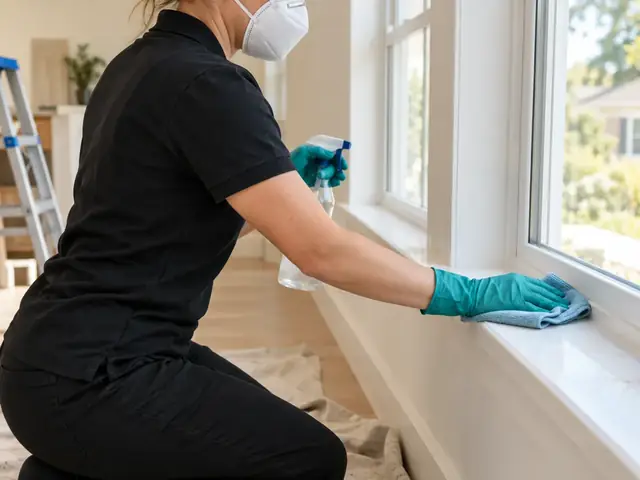
Cleaners remove ordinary construction dust; they do not abate hazards.
A post-construction cleaning crew uses HEPA vacuums and a top-down method for drywall dust, sawdust and general debris. Lead abatement, asbestos removal and mold remediation are separate, licensed trades.
Keep children and pets fully out of the work area and clean the paths around it every day.
Some is. Silica, lead and asbestos are hazards; ordinary drywall dust and sawdust are mainly irritants.
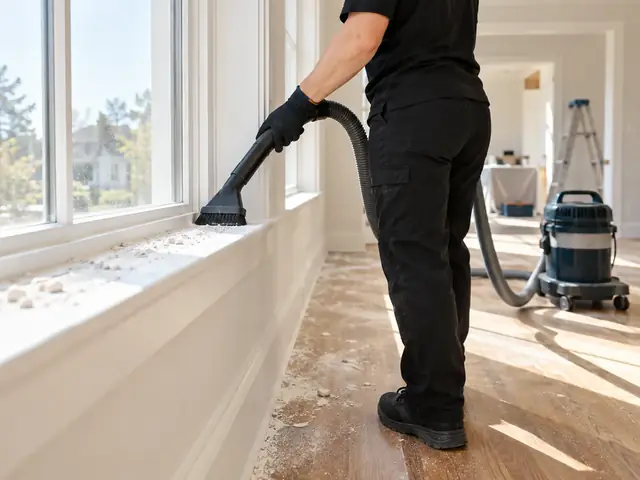
It is mainly an irritant; use HEPA vacuums and damp wiping, not dry sweeping.
Paint may contain lead. Renovation must follow EPA lead-safe rules with certified contractors.
No. Asbestos requires licensed professionals.
Mask up, HEPA vacuum first, damp wipe, work top to bottom and replace the HVAC filter.
Most construction dust is a nuisance you can remove with the right method, but silica, lead and asbestos are hazards for specialists. Know which you have before you clean. For ordinary dust, request a quote from a local post-construction pro.
Get My Post-Construction QuoteAbout the author
Consultor SEO WendersonSEO consultant and editor of the CleanLocalPros guides
Consultor SEO Wenderson writes the CleanLocalPros house cleaning guides from search data, official sources and the questions homeowners send us, and the editorial team reviews every guide before it is published. We do not accept payment for recommendations. More about the author · Our editorial standards.
Scope and pricing vary by pro, state and city. This guide explains common practice; confirm the details with the pro you hire.
Keep reading
Why drywall dust spreads so easily, the order that removes it for good, and the mistakes that turn it into a paste or send it back into the air.
Clean up drywall dust the right wayEach phase of post-construction cleaning happens at a specific point in the build. Here is what each one covers and how to time it.
Compare the 3 construction phasesContractors, builders and owners often disagree about the final clean. Here is what contracts usually say and how to avoid the argument.
See who cleans up after constructionSend one free request and request a quote from a local post-construction cleaning pro who serves your ZIP code.