
How to Get Your Security Deposit Back
A step-by-step plan to protect your security deposit, from move-in photos to the final walkthrough, including what landlords can and cannot deduct.
Protect your security depositWhat Massachusetts law (M.G.L. c.186, section 15B) says about security deposits, from move-in paperwork to the 30-day return, and where cleaning fits in the deductions.
 Consultor SEO WendersonSEO consultant and editor of the CleanLocalPros guides10 min readReviewed by the CleanLocalPros editorial team
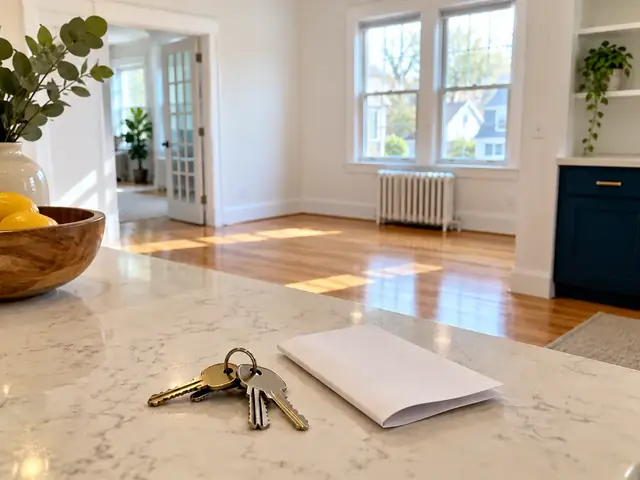
In Massachusetts, a landlord may collect a security deposit of no more than the first month's rent, must give you a statement of condition and keep the deposit in a separate interest-bearing account in a Massachusetts bank, and must return it within 30 days after the tenancy ends. The only deductions allowed are unpaid rent or water charges, certain unpaid tax increases and the reasonable cost of repairing damage beyond reasonable wear and tear, backed by a sworn, itemized list with written evidence. A landlord who breaks key rules can owe three times the deposit.
Massachusetts caps the deposit at one month's rent, requires paperwork at move-in and gives the landlord 30 days to return it.
The rules are in Massachusetts General Laws, chapter 186, section 15B, It covers what a landlord may collect, the receipts and statement you should get, where the money is kept, the interest it earns, when it comes back and what can be deducted.
This guide follows the statute in the order a tenant meets it, from the lease signing to the final walkthrough. For the cleaning side of moving out in any state, our move-out plan to get your security deposit back has the room-by-room steps. This is general information, not legal advice.
First month's rent, last month's rent, a deposit equal to the first month's rent, and the cost of a new lock and key.
The statute sets a ceiling on what a landlord or agent may require "at or prior to the commencement of any tenancy":
| Payment | What the law allows |
|---|---|
| First month's rent | Rent for the first full month |
| Last month's rent | Rent for the last full month, at the same rate as the first |
| Security deposit | No more than the first month's rent |
| Lock and key | The purchase and installation cost of a new lock and key |
If the landlord takes last month's rent in advance, you must get a receipt, and that money earns interest as well. The law also allows rules for a fee in place of a security deposit, which must be optional for the tenant.
Within 10 days, the landlord must give you a signed statement of the unit's condition; you have 15 days to return it with corrections.
The statement must list existing damage and carry a required notice at the top. Part of that notice reads:
If it is not correct, you must attach a separate signed list of any damage which you believe exists in the premises.
This list matters at move-out: the statute says no amount may be deducted for damage that was listed on the statement or on your signed list of corrections, unless the landlord repaired it and can prove the new damage is unrelated. Photograph every room the day you move in and keep the photos with your copy of the statement.

The deposit stays your money, in a separate interest-bearing account in a Massachusetts bank, and earns interest each year.
Within 30 days after the tenancy ends, the landlord must return the deposit, or the balance with an itemized list of deductions.
The 30 days run from the end of a tenancy at will or the end date in a written lease. During the last 30 days of the tenancy, or after either side gives notice, the law lets the landlord enter to inspect for damage that could be deducted, which is a good moment to ask what the landlord expects before you hand in the keys.
Leave a forwarding address in writing, so the deposit, the interest and any list of deductions reach you.
Only three kinds of deductions are allowed, and damage must be proven with a sworn list and written evidence.
The statute lists the deductions and closes the door on everything else: "No deduction may be made from the security deposit for any purpose other than those set forth in this section."
| Allowed deduction | What the landlord must show |
|---|---|
| Unpaid rent or water charges | Charges not validly withheld under another law |
| Unpaid real estate tax increase | Only under a tax escalation clause that meets section 15C |
| Repairing damage | A reasonable amount for damage caused by the tenant or guests, reasonable wear and tear excluded |
For damage, the landlord must send within the same 30 days an itemized list, sworn under the pains and penalties of perjury, describing the damage and the repairs, with written evidence such as estimates, bills, invoices or receipts.
Cleaning is not listed as a deduction of its own. A landlord who wants to charge for cleaning has to fit it into damage beyond reasonable wear and tear and document it like any other repair. Our guide on whether a landlord can charge for cleaning after you move out explains the wear-and-tear line in more detail. The simplest protection is still to leave the unit clean and photographed.
A local move-out cleaning pro brings the right products, protection and time for the whole area, and tells you when a specialist is needed.
The landlord can lose the right to keep any part of the deposit, and in some cases owes three times the amount.
Under the statute, the landlord forfeits the right to keep any part of the deposit, or to counterclaim for damage, if the landlord fails to put it in a proper account, fails to send the itemized list within 30 days, enforces a lease clause that conflicts with the law, or fails to return what you are owed within 30 days.
The tenant shall be awarded damages in an amount equal to three times the amount of such security deposit or balance thereof to which the tenant is entitled plus interest at the rate of five per cent from the date when such payment became due, together with court costs and reasonable attorney's fees.
That triple-damages rule applies to failures with the account, the transfer to a new owner and the 30-day return. If you think your deposit was handled wrongly, send the landlord a written request first and keep copies; a local legal aid office or an attorney can tell you how the law applies to your case.
Document, clean, photograph and put everything in writing.
A professional move-out clean is one way to reach the move-in standard on a tight moving week.
Eliane, an independent house cleaner in Taunton, MA, offers move-out and move-in cleaning in Taunton and nearby towns, including Brockton, Fall River, Attleboro, Dartmouth, Kingston and nearby Rhode Island. You can call or text her directly from her profile, and the page on house cleaning in Taunton, MA explains how the city's many rentals and two-family homes are cleaned. Anywhere else in the state, send a request with your ZIP code and we check which local pros serve your area.
See the room-by-room scope of move-out cleaning, what costs extra and the questions to ask before you book.
No more than the first month's rent. At or before move-in, a landlord may also collect first and last month's rent and the cost of a new lock and key, but nothing more, under M.G.L. c.186, section 15B.
30 days after the tenancy ends. Within the same 30 days, any deduction for damage must come with a sworn, itemized list and written evidence of the cost.
The statute does not list cleaning as its own deduction; it allows only unpaid rent or water charges, certain unpaid tax increases and a reasonable amount to repair damage beyond reasonable wear and tear, documented with a sworn list and estimates, bills or receipts.
Yes. The landlord owes interest at five percent a year, or the lower rate the bank paid, at the end of each year of the tenancy, and any accrued interest within 30 days if you move out before the anniversary.
A signed list of the unit's current condition and existing damage that a landlord who takes a deposit must give you within 10 days. You have 15 days to return it, adding your own signed list of any damage it misses.
The landlord forfeits the right to keep any part of it, and the statute awards three times the deposit or balance owed, plus five percent interest, court costs and reasonable attorney's fees. Ask in writing first and keep copies.
Massachusetts security deposit law caps the deposit at one month's rent, requires a statement of condition and a separate interest-bearing account, and gives the landlord 30 days to return the money. Only unpaid rent, certain tax increases and documented damage beyond reasonable wear and tear can be deducted, so leave the unit clean, photographed and with a forwarding address.
Get My Move-Out Cleaning QuoteAbout the author
Consultor SEO WendersonSEO consultant and editor of the CleanLocalPros guides
Consultor SEO Wenderson writes the CleanLocalPros house cleaning guides from search data, official sources and the questions homeowners send us, and the editorial team reviews every guide before it is published. We do not accept payment for recommendations. More about the author · Our editorial standards.
Scope and pricing vary by pro, state and city. This guide explains common practice; confirm the details with the pro you hire.
Keep reading
A step-by-step plan to protect your security deposit, from move-in photos to the final walkthrough, including what landlords can and cannot deduct.
Protect your security depositWhen cleaning charges are generally allowed, when they are not, and how to protect yourself with documentation and a proper move-out clean.
See when landlords can charge for cleaningA printable move-out cleaning checklist, room by room, built around what landlords and property managers check at the final walkthrough.
Use the move-out checklistSend one free request and request a quote from a local move-out cleaning pro who serves your ZIP code.