How to Get Your Security Deposit Back
A step-by-step plan to protect your security deposit, from move-in photos to the final walkthrough, including what landlords can and cannot deduct.
Protect your security depositWhen cleaning charges are generally allowed, when they are not, and how to protect yourself with documentation and a proper move-out clean.
 Consultor SEO WendersonSEO consultant and editor of the CleanLocalPros guides9 min readReviewed by the CleanLocalPros editorial team
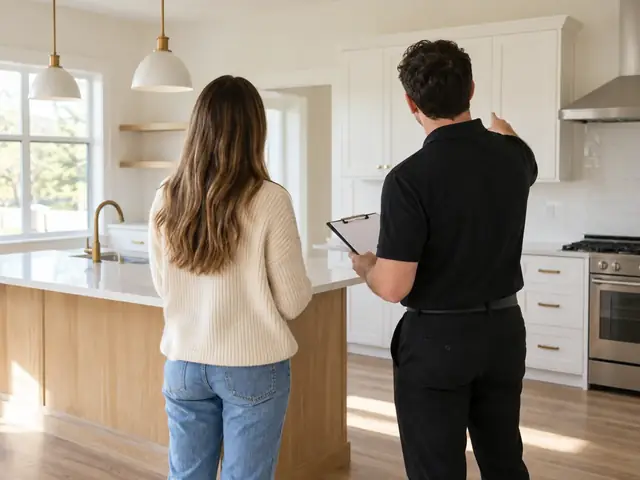
In most states, a landlord can charge for cleaning needed to return the unit to its move-in condition, beyond normal wear and tear, and must usually itemize the deduction. A landlord generally cannot charge you to clean up ordinary aging of the unit. Rules vary by state, and some leases add requirements such as professional carpet cleaning.
Landlords can usually charge for cleaning that returns the unit to its move-in condition, not for ordinary aging.
If you leave grease in the oven, grime in the bathroom or trash in the closets, a landlord can typically hire a cleaner and deduct a reasonable cost from your deposit. If the unit simply shows the effects of normal use, such as faded paint or light carpet wear, that is generally the landlord’s cost of doing business.
Landlords can generally charge for dirt and debris a tenant left behind, but not for normal wear and tear.
| Condition at move-out | Usually considered |
|---|---|
| Grease inside the oven and on the hood | Cleaning (chargeable) |
| Food and spills inside the fridge | Cleaning (chargeable) |
| Soap scum and mildew in the shower | Cleaning (chargeable) |
| Trash or items left in the unit | Cleaning or removal (chargeable) |
| Light traffic wear on carpet | Wear and tear (generally not chargeable) |
| Faded or slightly scuffed paint after years | Wear and tear (generally not chargeable) |
| Pet stains or odors | Cleaning or damage (often chargeable) |
| Holes, burns or broken fixtures | Damage (chargeable) |
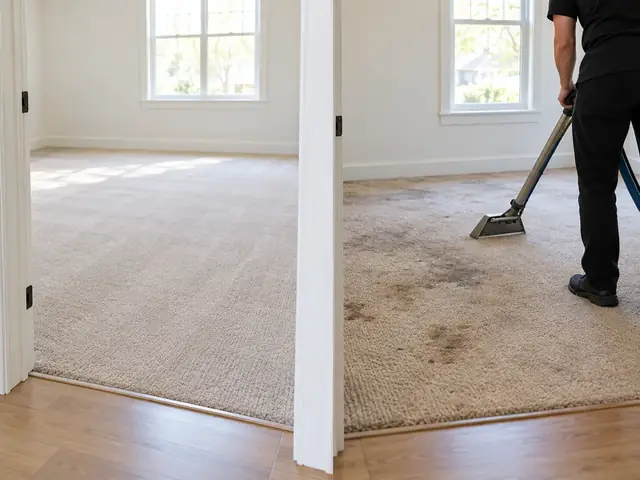
Leases sometimes include specific cleaning requirements.
Some leases require professional carpet cleaning at move-out, a specific cleaning standard or a fixed cleaning fee. Whether those clauses are enforceable depends on your state’s law. Read your lease before you clean, and keep receipts for any professional service you hire.
Request a quote from a local move-out cleaning pro who serves your ZIP code. Free to request, no obligation.
Most states require landlords to explain deductions.
Typically, a landlord must return the deposit or send an itemized list of deductions within a deadline set by state law, sometimes with receipts or estimates. If you do not receive it on time, check your state’s rules on what happens next.
Clean the places inspectors check, then document them.
Use the move-out cleaning checklist, or book a move-out cleaning and keep the invoice.
Respond in writing, with evidence.
Fair, documented charges hold up; surprise charges do not.
Give tenants a move-out checklist, keep dated move-in and move-out photos, itemize deductions clearly and keep invoices. A standard rental turnover clean with a photo report documents the unit’s condition for the next tenant.
Often, for cleaning beyond normal wear and tear, within your state’s rules.
Ordinary aging from use, such as faded paint or light carpet wear.
Most states require an itemized list of deductions within a deadline.
Some leases do; enforceability depends on your state.
In writing, with photos and receipts; small claims court is a common next step.
Landlords can usually charge for real cleaning, not for ordinary aging. Clean the inspection hot spots, keep photos and receipts, and respond to disputes in writing. Book a move-out clean with a local pro.
Get My Move-Out Cleaning QuoteAbout the author
Consultor SEO WendersonSEO consultant and editor of the CleanLocalPros guides
Consultor SEO Wenderson writes the CleanLocalPros house cleaning guides from search data, official sources and the questions homeowners send us, and the editorial team reviews every guide before it is published. We do not accept payment for recommendations. More about the author · Our editorial standards.
Scope and pricing vary by pro, state and city. This guide explains common practice; confirm the details with the pro you hire.
Keep reading
A step-by-step plan to protect your security deposit, from move-in photos to the final walkthrough, including what landlords can and cannot deduct.
Protect your security depositA practical way to decide whether to hire a move-out cleaner, based on your deposit, your time and what landlords typically charge for.
Decide if a move-out clean is worth itWhat Massachusetts law (M.G.L. c.186, section 15B) says about security deposits, from move-in paperwork to the 30-day return, and where cleaning fits in the deductions.
See the Massachusetts deposit rulesSend one free request and request a quote from a local move-out cleaning pro who serves your ZIP code.